The UAE is renowned for its opulent lifestyle, vibrant urban landscapes, and a thriving real estate sector that continues to attract global investors. As of 2026, the market remains robust, driven by economic diversification, population growth, and strategic government initiatives. Whether you're seeking investment opportunities, a primary residence, or a holiday retreat, the UAE provides diverse options across its emirates. From the iconic skyscrapers of Dubai and the cultural heritage sites of Abu Dhabi to emerging waterfront developments like Siniya Island in Umm Al Quwain, the country caters to a wide range of preferences and budgets.
In this comprehensive guide, we'll explore the various property types available, the key advantages of investing in UAE real estate, and why Siniya Island represents a promising option for those desiring luxurious, nature-integrated waterfront living. We'll also delve into market trends, potential risks, and the future outlook, drawing on the latest data to provide a balanced perspective. With the UAE's economy projected to grow steadily—Dubai's GDP expected to expand by 4.5% in 2026, supported by tourism and infrastructure—the real estate sector is poised for continued evolution.
Types of Properties in the UAE
The UAE's real estate market is multifaceted, offering options that suit investors, families, professionals, and retirees. Properties are categorized by ownership types: freehold (full ownership, available to foreigners in designated areas), leasehold (long-term leases, typically 99 years), and usufruct (usage rights without full ownership). Freehold zones, established since the early 2000s, allow 100% foreign ownership in specific areas, making the market accessible to international buyers. Here's a breakdown of the main property categories:
- Luxury Villas and Mansions These high-end homes epitomize UAE extravagance, featuring expansive layouts, private amenities, and premium locations. Villas often include multiple bedrooms (4-7+), infinity pools, landscaped gardens, and smart home technology. Popular freehold areas include:
- Dubai Hills Estate: A master-planned community with golf courses and parks, where average villa prices range from AED 5-15 million.
- Palm Jumeirah: Iconic palm-shaped island with beachfront villas starting at AED 10 million, offering sea views and resort-style living.
- Jumeirah Bay Island: Exclusive enclave with ultra-luxury mansions, emphasizing privacy and proximity to Dubai's business hubs. Key attributes: Spacious interiors (up to 10,000 sq ft), gated communities with 24/7 security, clubhouses, gyms, and easy access to malls like Mall of the Emirates or Dubai Mall. In Abu Dhabi, Saadiyat Island offers similar villas with cultural attractions nearby, such as the Louvre Abu Dhabi. Prices have seen 8-12% annual appreciation in prime areas, but buyers should note potential oversupply in mid-market segments.
- Apartments and Condominiums Ideal for urban dwellers, these modern units dominate high-rise developments and provide convenience with built-in facilities. Apartments range from studios (AED 800,000+) to penthouses (AED 20 million+), appealing to young professionals and families. Top locations:
- Downtown Dubai: Home to the Burj Khalifa, with apartments offering skyline views; yields average 6-7%.
- Dubai Marina: Waterfront high-rises with marinas and promenades, popular for short-term rentals.
- Al Reem Island (Abu Dhabi): Affordable luxury with sea views, starting at AED 1 million. Key attributes: Amenities like rooftop pools, fitness centers, concierge services, and valet parking. High-rises often include retail podiums and metro connectivity. In Sharjah and Ras Al Khaimah, apartments are more budget-friendly, with prices 30-50% lower than Dubai, but with lower yields.
- Off-Plan Properties These under-construction developments allow buyers to purchase at pre-launch prices, often with flexible payment plans (e.g., 50/50 over 3-5 years). They offer high potential returns but carry risks like delays. Notable areas:
- Dubai South: Near Al Maktoum International Airport, focusing on logistics and aviation-themed communities.
- Al Raha Beach (Abu Dhabi): Waterfront projects with green spaces.
- Al Furjan (Dubai): Mid-range family-oriented developments. Key attributes: Discounts of 10-20% compared to ready properties, with projected capital gains of 9-13% upon completion. However, with increased supply, handover timelines in 2026-2028 should be verified through developers like Emaar or Sobha Realty.
- Waterfront Properties For those blending luxury with tranquility, waterfront options provide serene escapes. Siniya Island in Umm Al Quwain stands out as an emerging eco-luxury destination. Other hotspots include Emaar Beachfront in Dubai and Yas Island in Abu Dhabi. Key attributes: Private beaches, yacht moorings, and resort facilities. Prices start at AED 1.1 million for apartments, with villas up to AED 20 million. Sustainability features, like mangrove preservation, are increasingly common.
Beyond these, commercial properties (offices, retail) and townhouses offer alternatives, especially in free zones like Dubai International Financial Centre (DIFC). Buyers should consult the Dubai Land Department (DLD) or Abu Dhabi Department of Municipalities for zoning details.
Why Invest in Properties in the UAE?
The UAE's real estate market remains a compelling choice for investors, with a projected annual growth of 2.25% through 2029. Here are the primary benefits, balanced with realistic considerations:
- Competitive Rental Yields Rental returns in the UAE are strong compared to many global markets, averaging 5.5-9% gross in Dubai (e.g., 7-9% in Jumeirah Village Circle, 6-7% in Dubai Marina). This outperforms cities like London (3-4%) but varies by location and property type—apartments yield higher than villas (7.2% vs. 4.9%). Factors like population influx (Dubai's population grew 2% in 2025) drive demand, but a potential 5% rent correction in 2026 due to rising vacancies (up to 12%) could moderate yields.
- Tax Advantages For individual investors, there are no federal taxes on rental income or capital gains, enhancing net returns. However, tenants face municipal fees (e.g., 5% of rent in Dubai, bundled with utilities), and corporate owners pay 9% corporate tax on profits since 2023. This tax-efficient environment attracts high-net-worth individuals, but indirect costs like service charges (AED 10-20/sq ft annually) should be factored in.
- Thriving Tourism Sector Tourism fuels short-term rental opportunities, with the sector contributing AED 257.3 billion to GDP in 2025 (13% of the economy). Dubai welcomed 17.55 million visitors from January to November 2025 (up 5% YoY), boosting demand in areas like Business Bay. Hotel occupancy averaged 79.2%, with revenues up 7.2% to AED 35.9 billion. Projections for 2026 anticipate further growth, supported by events and infrastructure, potentially adding AED 236 billion in value. Risks include seasonal fluctuations and geopolitical tensions affecting visitor numbers.
- Long-Term Growth Potential Ongoing projects like Dubai Creek Harbour and Emaar Beachfront, plus expansions in Abu Dhabi (e.g., Saadiyat Cultural District), signal sustained development. Foreign ownership in freehold areas, long-established since the 2000s, facilitates investment, with Golden Visa eligibility for properties over AED 2 million offering 10-year residency. However, market maturity may lead to a 10-15% price adjustment in oversupplied segments by 2026.
Additional perks include no inheritance tax for properties and strong legal protections via escrow accounts for off-plan buys. Investors should weigh risks like construction delays (common in off-plan) and currency fluctuations (AED pegged to USD).
Why Siniya Island UAE is a Promising Choice
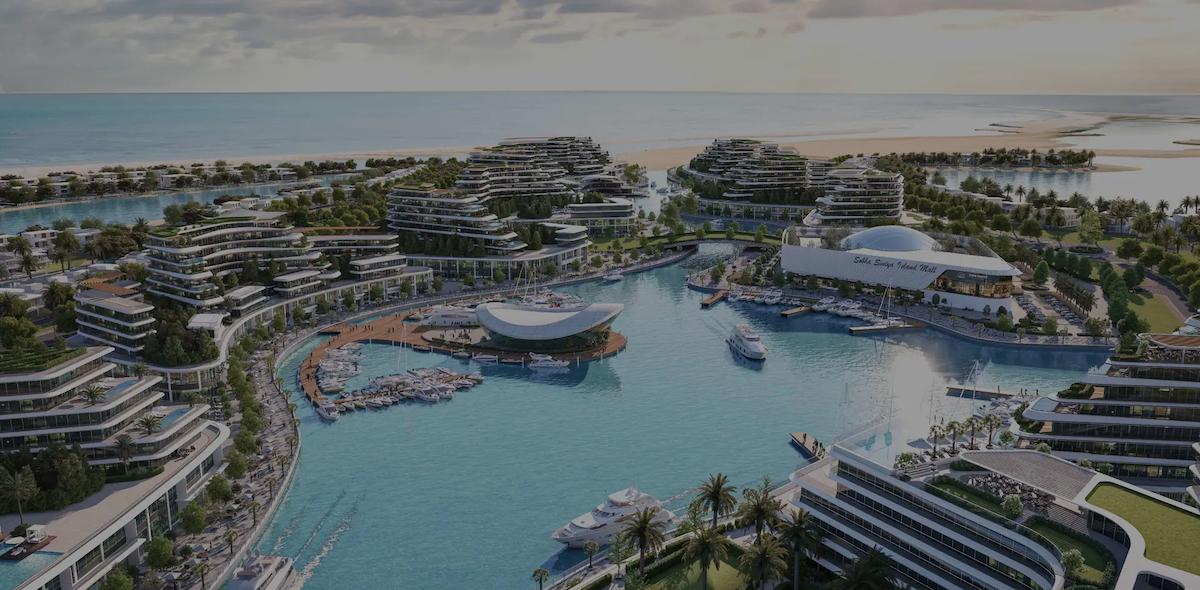
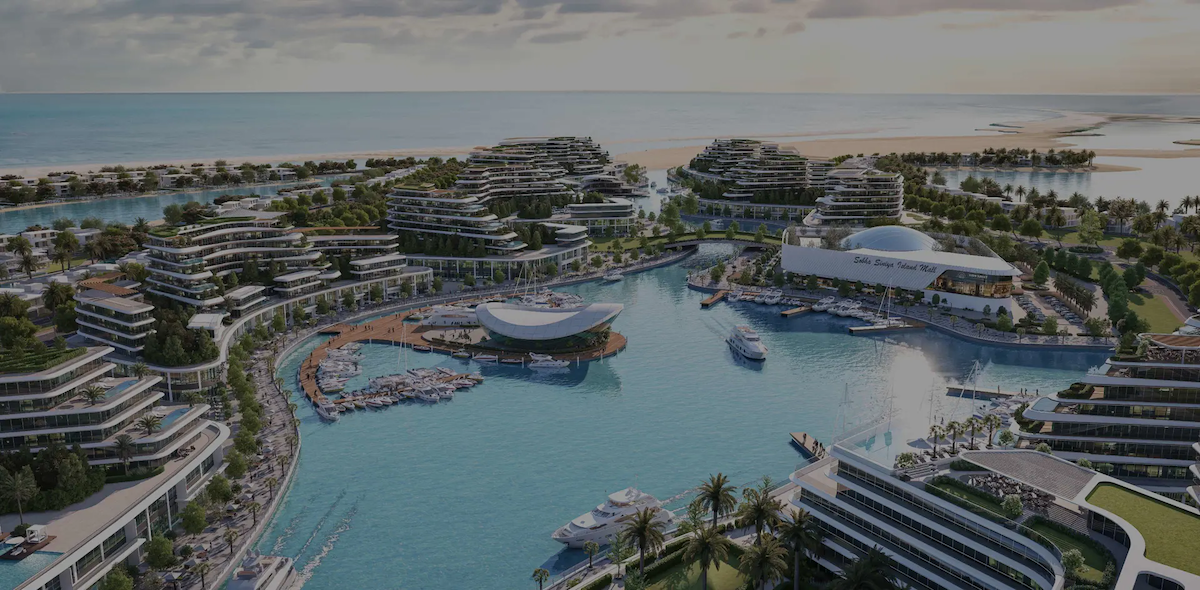
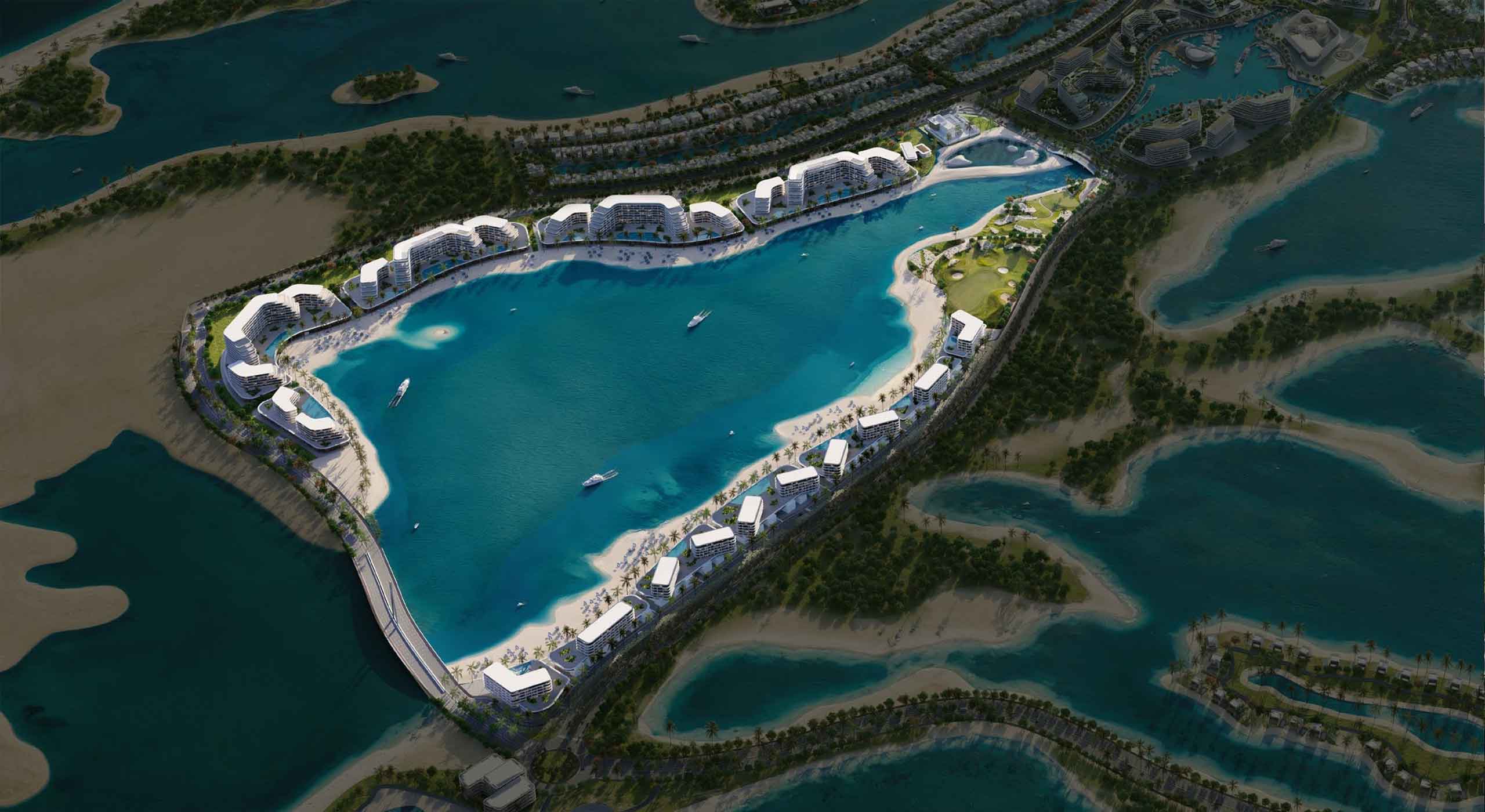
Siniya Island, developed by Sobha Realty in Umm Al Quwain, emerges as a standout for eco-luxury waterfront living. This single-island project (not plural "islands") spans 16.1 million sq ft, blending natural preservation with upscale residences. Located 50 minutes from Dubai and 10 minutes from Al Marjan Island, it's connected by a 1.7 km bridge, with full infrastructure expected by Q4 2028.
- Exclusivity and Design: Off-plan villas (4-7 bedrooms, starting AED 5 million) and apartments (1-3 bedrooms, from AED 1.1 million) feature contemporary architecture, high-end finishes, and private beaches. 60% of the island remains open green space, preserving mangroves and wildlife like turtles and flamingos.
- Views and Amenities: Panoramic Arabian Gulf vistas, with facilities including an 18-hole golf course, yacht club, resorts (e.g., Ritz-Carlton Reserve opening 2026), malls, and solar desalination for sustainability.
- Investment Appeal: Projected 25-30% growth by 2027, with eco-tourism drivers like mangrove tours. Payment plans ease entry, but as an off-plan development, buyers face handover risks until 2028-2029.
Compared to established spots like Palm Jumeirah, Siniya offers affordability (villas 60% cheaper than Dubai Marina) and nature focus, ideal for long-term holders rather than short-term flippers.
Future of Real Estate in the UAE
The UAE's real estate trajectory aligns with national visions like "We the UAE 2031," aiming to double GDP to AED 3 trillion, boost non-oil exports to AED 800 billion, and elevate tourism's GDP contribution to AED 450 billion. The long-term UAE Centennial 2071 focuses on sustainable development and innovation. Initiatives like Al Ain's designation as Arab Tourism Capital 2026 and digital infrastructure investments underscore diversification.
Emerging trends include sustainable builds (e.g., solar-powered communities), AI-integrated smart homes, and expansions in northern emirates like Umm Al Quwain. Foreign buyers benefit from streamlined processes, but due diligence—via DLD registration and legal advisors—is essential to navigate fees (4% transfer, 2% agency).
Conclusion
The UAE's real estate market offers unparalleled opportunities for investors and residents, from high-yield urban apartments to serene waterfront villas. Siniya Island exemplifies the shift toward sustainable luxury, promising strong returns amid the nation's growth. With competitive yields, tax benefits, and visionary plans, the UAE stands as a global investment hub. However, success requires awareness of market cycles and professional guidance. If luxury and potential intrigue you, explore listings in freehold areas today—your ideal property awaits.
Frequently Asked Questions
The best areas to buy properties in the UAE include Dubai Marina, Palm Jumeirah, Dubai Hills Estate, and Siniya Islands for waterfront living. These areas offer luxurious living spaces, excellent amenities, and high investment potential.
While off-plan properties can offer high returns, they come with risks like construction delays and market fluctuations. It's important to conduct thorough research, verify developer credentials, and ensure payment plans are secure before committing.
Siniya Island offers an eco-luxury living experience with stunning waterfront views, sustainability features like mangrove preservation, and luxurious amenities such as an 18-hole golf course and yacht club. The island is expected to appreciate in value by 25-30% by 2027, making it a promising investment destination.
The UAE real estate market offers competitive rental yields, often outperforming major cities like London. Tax advantages, such as no federal taxes on rental income or capital gains, further enhance its appeal to foreign investors.
The UAE’s real estate market is expected to continue growing, driven by factors such as tourism, economic diversification, and government initiatives. With strategic developments in places like Dubai Creek Harbour and emerging areas like Siniya Island, the market remains a strong investment choice for the coming decades.